An updated iteration of the SYS01 infostealer, tracked by Bitdefender Labs as SYS010, is being propagated through advertisements on Meta platforms. The malware enrolls compromised browsers into enterprise-grade management systems to mandate installation of a malicious extension capable of extracting sensitive information from Gmail and Outlook accounts. The attack begins with ads promoting free animated wallpapers that function as intended but conceal malware deployment during the installation process on Windows machines.

The campaign specifically targets individuals who manage Facebook and Meta business accounts, granting threat actors the ability to retrieve recent messages from Gmail and Outlook in Chrome browsers, as well as permanently remove selected emails. Bitdefender researchers designated this malware variant as SYS010 based on their assessment that it represents a significant evolution from its predecessor, which has been observed in malvertising campaigns on Facebook since at least 2022.
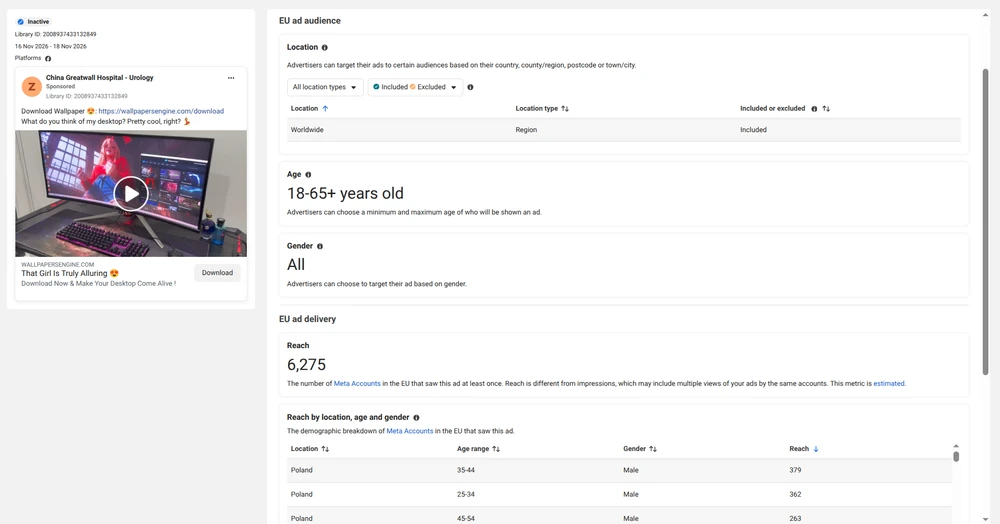
On October 16, Bitdefender identified a malicious SYS010 advertisement and determined the campaign remained active with hundreds of ads in circulation. Server telemetry indicated requests originated from multiple regions spanning Asia, Europe, North America, Africa, and South America. According to Meta's Ad Library transparency tool, a single advertisement reached 6,275 users within the European Union, with targeting set for anyone aged 18 and above. Bitdefender noted that the highest concentration of requests came from the Philippines, Thailand, Bangladesh, Poland, Mexico, Algeria, Belgium, Mongolia, and the United States, though these figures do not represent confirmed infections.
Functional Wallpaper Conceals Background Threat
The malicious advertisements impersonate legitimate applications including Wallpaper Engine (a rebranded, digitally signed version of the MeisterTask desktop application built on Electron) and Lively Wallpapers, directing users to fraudulent download sites featuring domains crafted to appear legitimate. Upon installation of the malicious Windows application, users receive the promised animated wallpaper functionality, which serves to mask the malware executing in the background.
According to Bitdefender's analysis, the attacker exploits organizational management tools to compel Chrome, Edge, and Firefox to install malicious browser extensions. A script designated eclient.php orchestrates the installation of these extensions by altering browser management policies. For Chrome, the script enrolls the browser into an attacker-controlled Google admin console, facilitating forced extension deployment. Firefox receives an ExtensionSettings policy that forces add-on installation while simultaneously disabling Developer Tools and abuse reporting functionality. Edge victims experience enrollment of their Windows device into an attacker-controlled mobile device management server, enabling forced extension installation.
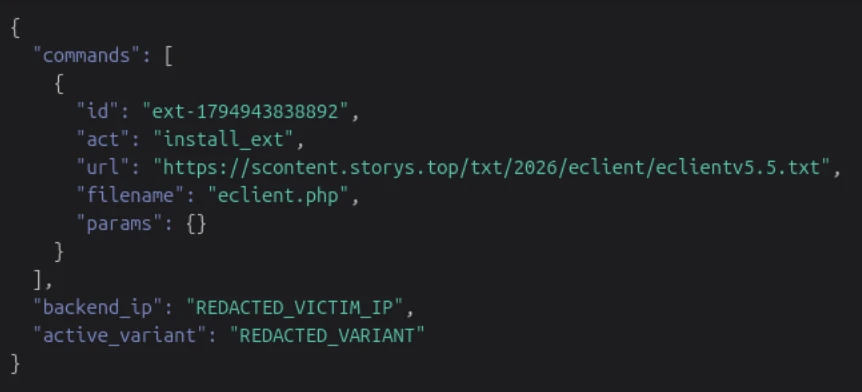
These modifications demand administrator-level permissions, which attackers obtain by triggering the User Account Control prompt repeatedly—up to 99 times at three-second intervals—until the user grants approval. Once installed, the controls prevent users from disabling or removing the extensions. The malicious add-ons then harvest session cookies, permitting the malware operator to access authenticated accounts without requiring passwords or completion of two-factor authentication processes.
Bitdefender identified the malicious extensions as impersonating productivity tools, labeled Docs Helper in Chrome and Document Hub in Firefox. The counterfeit Docs Helper extension for Chrome displays an icon resembling the Google Docs logo but is distributed outside the official Chrome Web Store. Beyond email theft, these extensions gather information regarding Facebook Pages, advertising accounts, and business accounts accessible to the victim, including expenditure and payment particulars.
Email Access and Account Compromise
Bitdefender's investigation revealed that the Chrome extension possesses the capability to access recent messages within Gmail and Outlook accounts, transmit their contents to the attacker, and permanently erase specified messages. This functionality enables threat actors to intercept login codes and remove security notifications before victims become aware of unauthorized access. Access to compromised inboxes additionally complicates account recovery efforts for affected users.
Comparable functionality has surfaced in a separate infostealer called Remus, which similarly employs a malicious extension to access Gmail messages. Remus employs an alternative method for Chrome extension installation, registering the add-on directly within the victim's browser profile and enabling Developer Mode to permit the unpacked extension to execute.
Although malvertising campaigns are frequently dismissed as lower-risk threats, they can inflict substantial harm. Compromised advertising accounts typically fund additional malvertising operations conducted under the guise of legitimate enterprises. Organizations experience unauthorized advertising expenditures, potential loss of access to social media accounts, and exposure of customer communications.
Bitdefender recommends avoiding software downloads originating from social media advertisements and declining administrator permission requests lacking clear justification. An unexpected notification stating "managed by your organization" within a browser warrants investigation. Users of work-managed devices should consult their IT department, while such a message on personal computers demands further scrutiny.
For organizations, Bitdefender advises conducting audits of Meta account access permissions, eliminating unnecessary authorizations, and monitoring for suspicious advertisements, payment modifications, or unexpected spending increases.