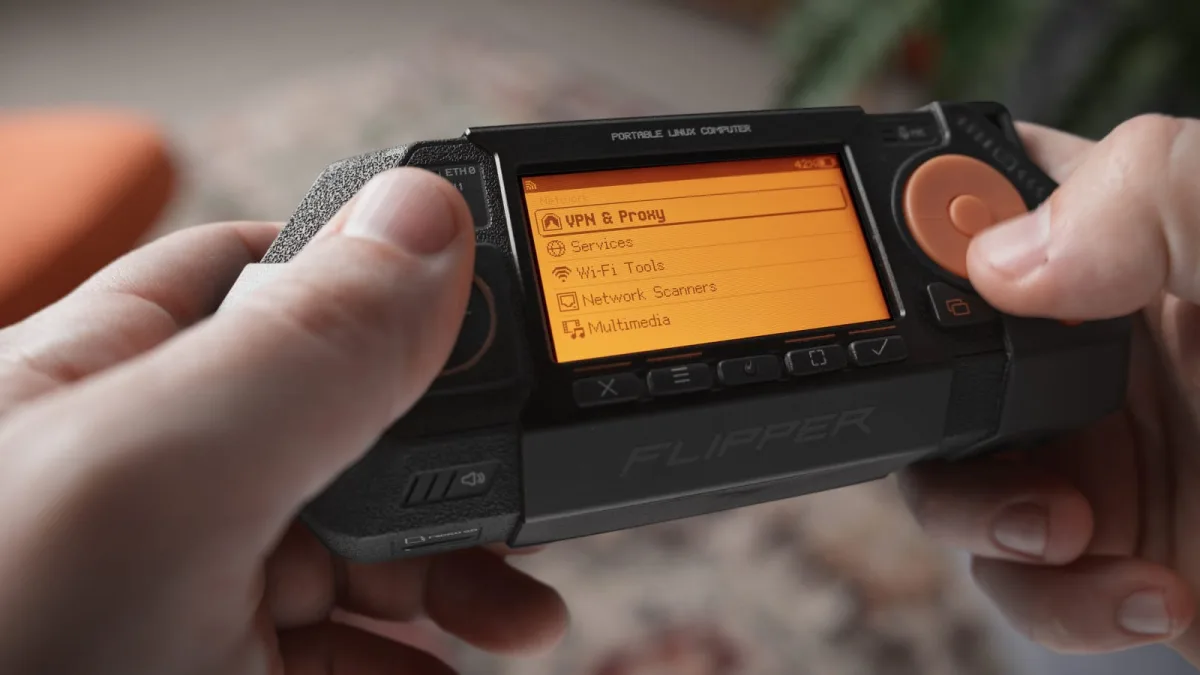
Flipper Devices has initiated a crowdfunding effort for Flipper One, a handheld Linux-based computer and networking utility device that complements its established Flipper Zero pentesting platform.

The company has set the price at $399 despite ongoing global shortages in RAM and volatile component pricing. According to Flipper Devices, this price point reflects manufacturing expenses without any profit margin built in. Memory and UFS storage components represent approximately half of the device's total hardware cost, yet the company chose to proceed rather than delay or increase pricing.
Instead of waiting for perfect market conditions or raising the price, we're moving forward with the Kickstarter campaign. We aim to make Flipper One as accessible as possible without building a profit margin into the hardware's price.
Flipper Devices press release
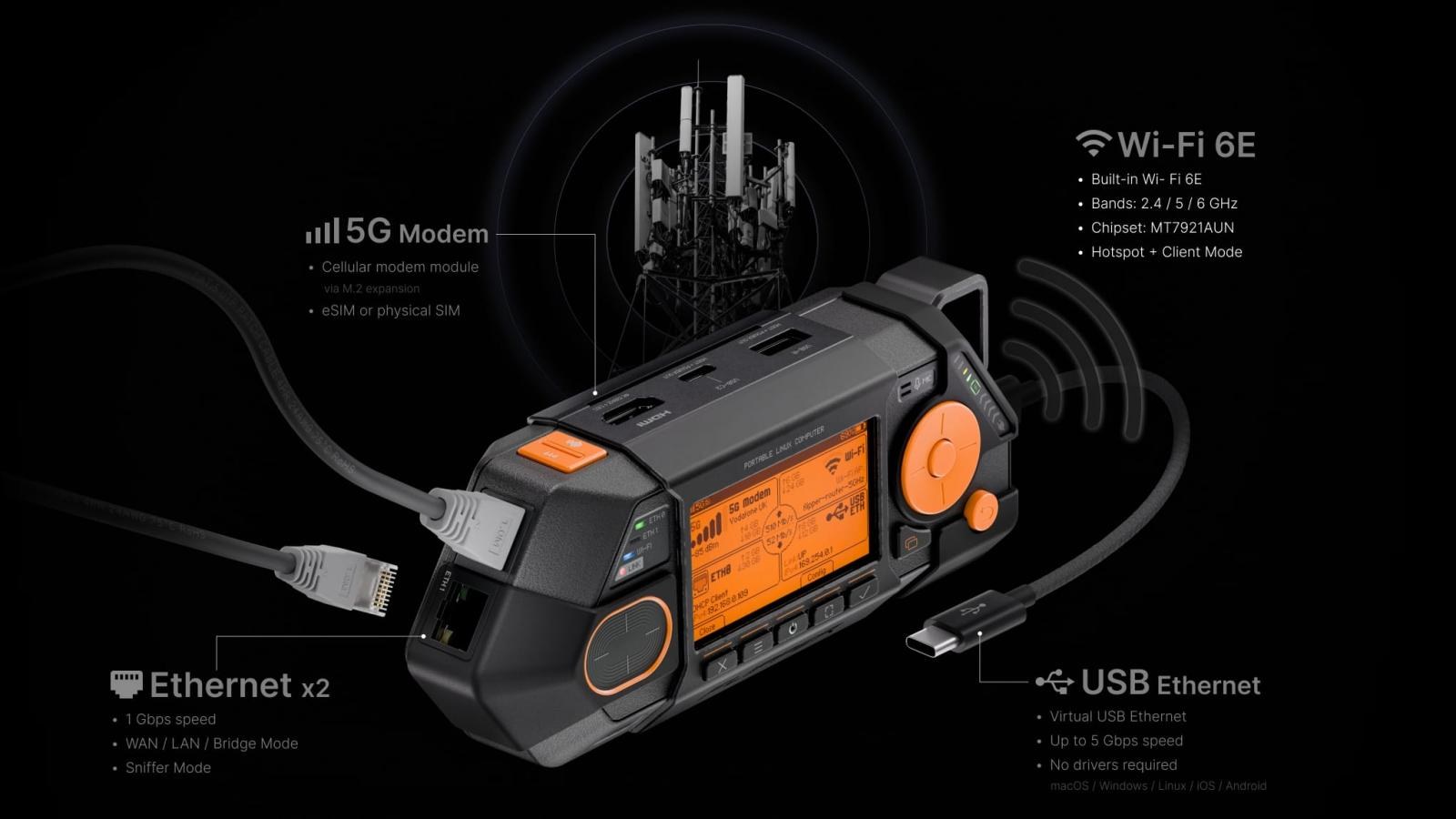
Flipper One operates on Flipper OS, a Debian-derived Linux distribution, and incorporates Wi-Fi 6E, Gigabit Ethernet, and eSIM connectivity. The device supports up to five simultaneous network connections, can function as a wireless hotspot, runs VPN and firewall software, and connects to external displays via USB-C. Unlike Flipper Zero, this device targets IP networking and local computing tasks.
The company solicited community input in May to guide development, underscoring the project's technical scope. Progress has accelerated since that call, positioning the company to manufacture initial production units. Flipper One already executes on the mainline Linux kernel, while USB-C DisplayPort patches await mainline integration. Ongoing work addresses memory power consumption and the replacement of proprietary boot firmware.
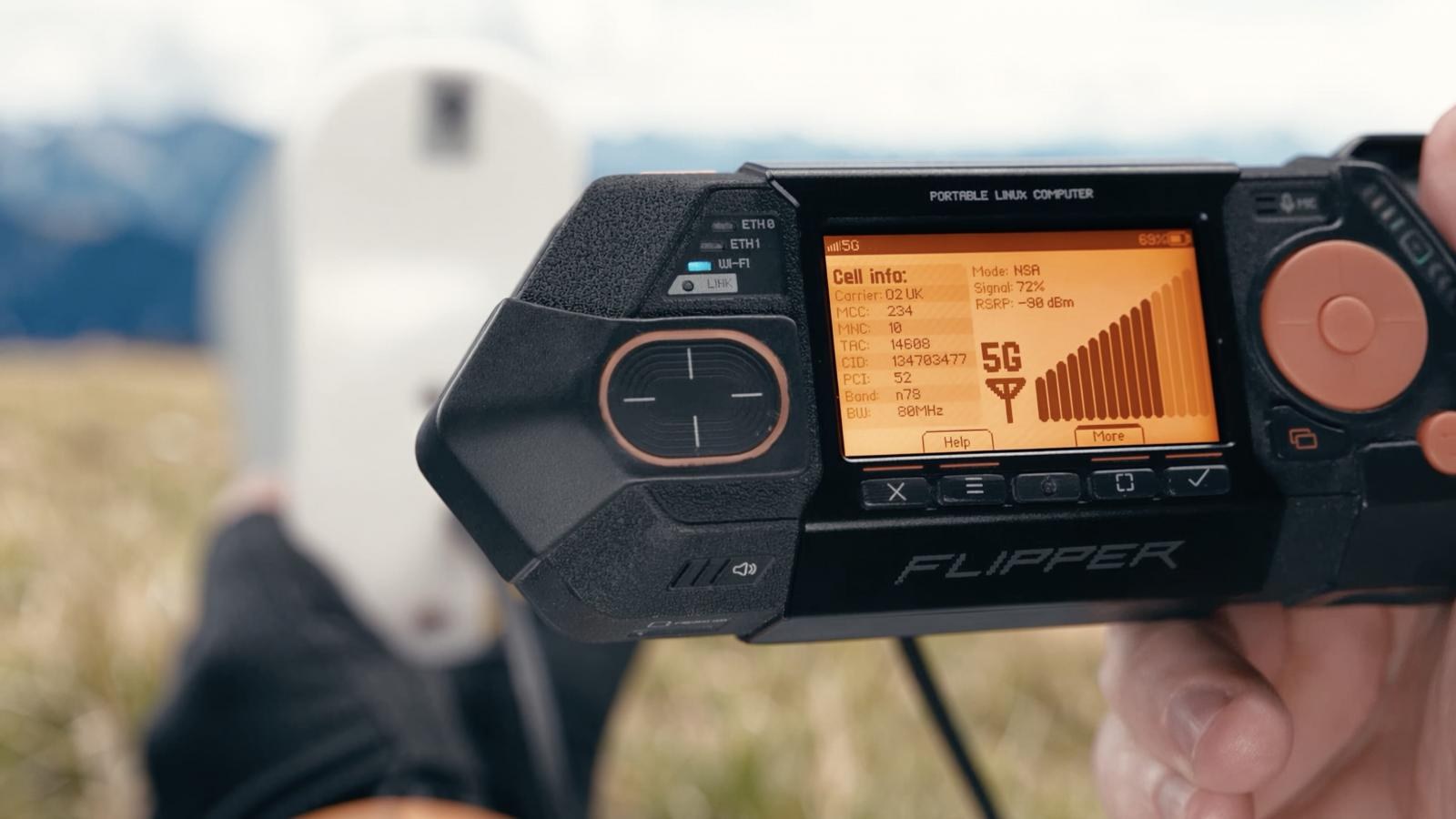
The Kickstarter campaign includes optional expansion modules for LoRa functionality (supporting MeshCore, Meshtastic, Reticulum, and walkie-talkie operation), a 5G modem, and software-defined radio capabilities, with full technical details to follow. The campaign runs from November 17 through December 17, targeting funding for the initial production batch. Early backers should expect delivery in July 2027, with each unit including a USB-C cable.
Flipper Devices previously used Kickstarter to fund Flipper Zero in 2020, which achieved its target within eight minutes and raised $4.8 million over 30 days. The company has since distributed more than 1 million Flipper Zero units.