During the RIPE 92 conference in Edinburgh, Rob Kisteleki raised an uncomfortable reality facing technical professionals: the infrastructure we collectively rely on is held together by countless unrecorded relationships and dependencies. The problem intensifies as the community ages. Kisteleki framed this as Personal Continuity Planning, or what he termed your 'Digital Legacy'—a challenge that echoes an old cautionary verse.
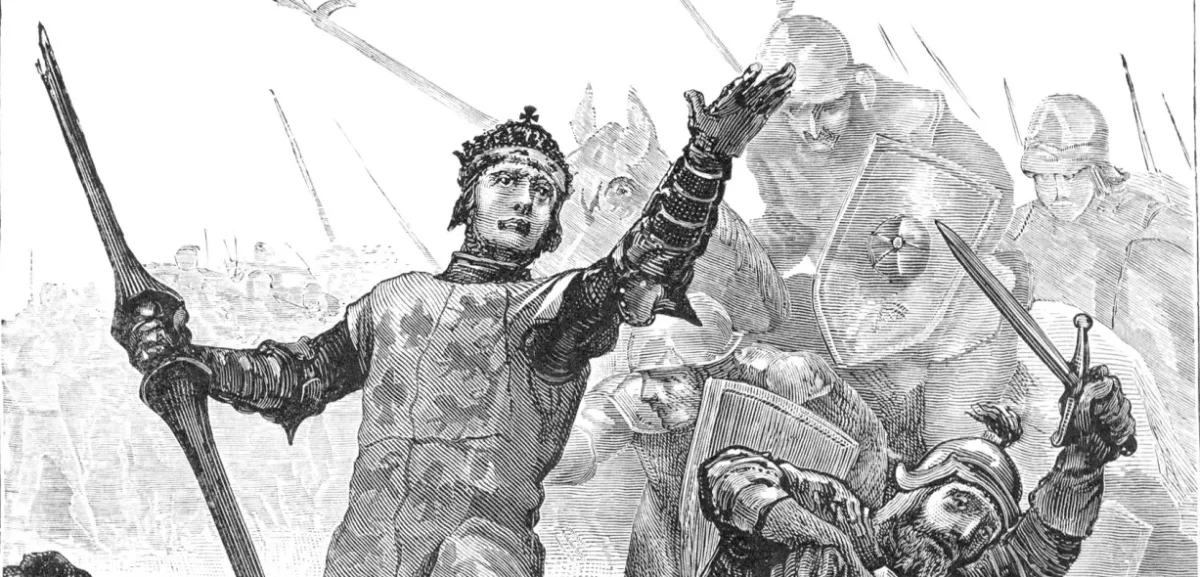
The historical reference invokes Shakespeare's Richard III and the Battle of Bosworth Field, where a single missing piece—a horseshoe nail—cascades into catastrophic failure. The parallel is apt:
For the want of a nail the shoe was lost;For the want of a shoe the horse was lost;For the want of a horse the battle was lost;For the failure of battle the kingdom was lost;And all for the want of a horseshoe nail.
The Invisible Supply Chain
Consider a typical technical setup: a domain hosted in one data center with DNS management on the same server, and a secondary nameserver running on equipment in a different country—perhaps maintained through a volunteer collective you once participated in. The uncomfortable truth emerges when you ask yourself: Do I still have access credentials? Could I actually recover this infrastructure if needed?
The systems function normally until they don't. A nameserver answers queries, a website stays online, everything appears stable. Then a renewal gets missed, an account locks, a payment method expires, or a key person vanishes. By the time the failure becomes visible, prevention may no longer be possible.
The deeper question cuts both ways: How many people depend on infrastructure you maintain? There are direct users of services you host, code repositories you control on GitHub, family data on your NAS, and countless forgotten projects. But the truly unsettling part is the unknown unknowns—who else relies on a domain, mailing list, DNS server, script, or repository you built years ago and have since forgotten about? The honest answer is usually: nobody knows, because we rarely document these things.
Digital Life Held Hostage by Terms of Service
The problem extends beyond technical infrastructure. Two years of volunteer work with Brisbane Seniors Online (BSOL), assisting retired and older Australians with IT needs, reveals how completely modern life depends on centralized digital gatekeepers. Google, Apple iCloud, and Microsoft accounts have become far more than email or storage—they hold photos, documents, financial records, subscriptions, backups, and authentication credentials. They are the keys to a person's entire digital existence.
Yet access to these services operates under Byzantine terms and conditions. In practice, families improvise: they share passwords, maintain written credential lists, or pass access details in advance—all practices that likely violate the provider's terms. We have constructed lives dependent on digital platforms while the rules governing access after death or incapacity remain murky, contradictory, and often unresolved.
From Goodwill to Documented Responsibility
The Internet has always run on cooperation, trust, and individuals accepting quiet responsibility for critical systems. Kisteleki's presentation demonstrates that goodwill alone cannot substitute for a continuity plan. If the systems, services, and communities we value are to survive their creators, we must leave behind more than good intentions. Documentation, access information, and operational context must be preserved for successors.
The call to action is clear: technical communities must understand their risk exposure and commit to serious succession planning. This requires rediscovering mutual responsibility for one another, supported by the unglamorous but essential work of documentation, succession planning, and knowledge transfer.