U.S. law enforcement has shut down a North Korean-linked social engineering operation known as FaceStealer, which targeted cryptocurrency professionals, Web3 sector employees, and open-source developers in a campaign that netted more than $400 million in stolen digital assets.
The operation relied on a combination of social engineering tactics, including deepfakes and ClickFix techniques, to compromise victims. The campaign remained active for 18 months before U.S. authorities seized the cloud infrastructure supporting it.

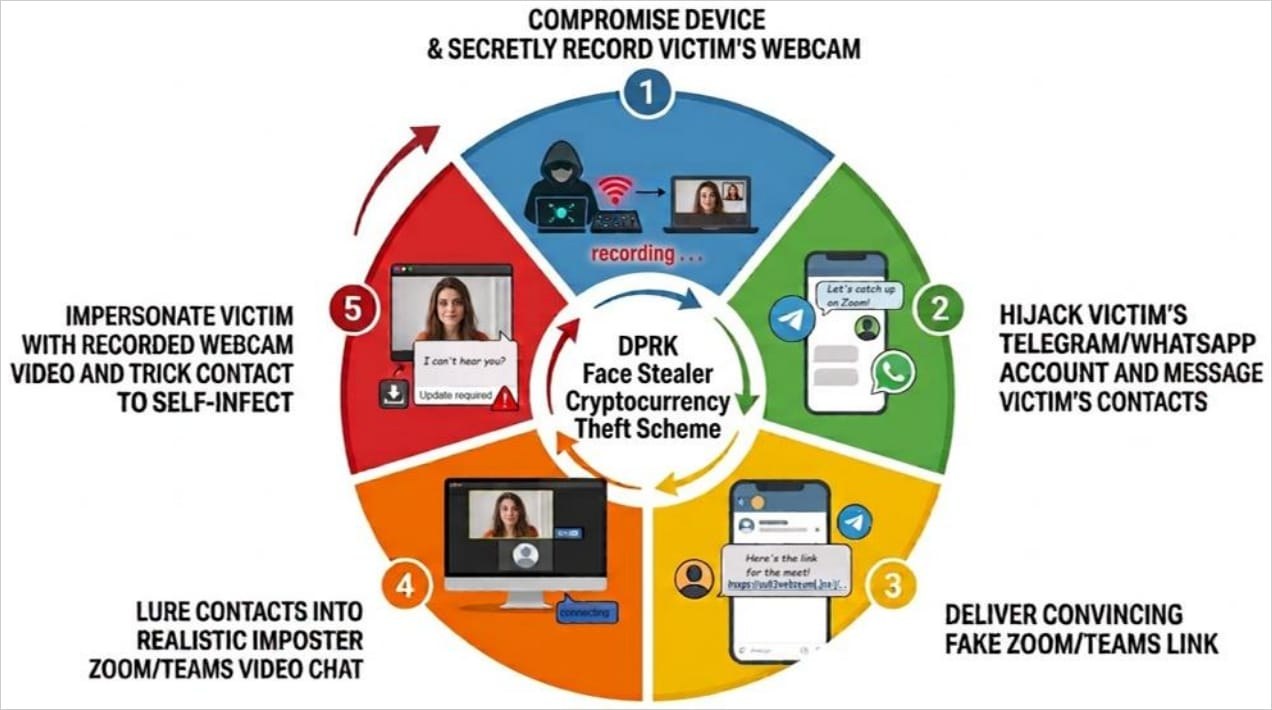
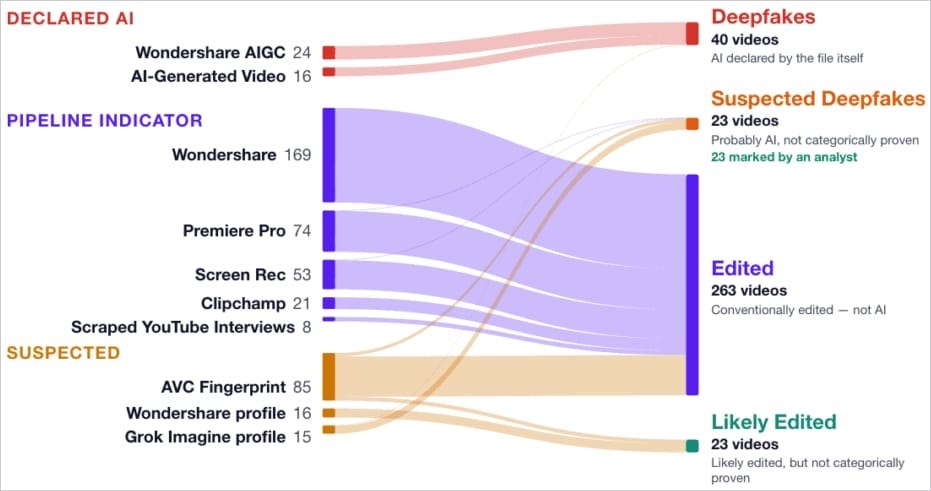
Investigators uncovered more than 900 secretly recorded webcam videos of technology workers who had been deceived as part of the scheme. The FBI documented how attackers compromised accounts across Telegram, LinkedIn, Slack, and Discord, then leveraged those hijacked accounts to invite targets to video meetings under false pretenses.
During these video calls, perpetrators displayed pre-recorded footage of people the targets knew—individuals who had already been victimized in earlier stages of the operation. "While the target waited for the meeting to start, the hacker secretly recorded a video, which was later used with other targets," the FBI explained. "The meeting sometimes featured recordings of multiple familiar individuals to add pressure on the current victim in the next stage."
The attackers then fabricated a technical problem and presented a fake error message. Victims were directed to click a link promising a solution—ostensibly an update or installer—that actually delivered malware designed to harvest cryptocurrency data, account credentials for video conferencing platforms like Zoom, Google Meet, and Microsoft Teams, contact lists, social media information, and webcam footage.
In some instances, attackers waited months or even longer than a year before targeting compromised individuals, apparently timing their moves to coincide with growth in the victim's cryptocurrency holdings.
Attribution and Scope
Researchers at ArticWolf attributed FaceStealer to the BlueNoroff hacker group and identified additional social engineering lures, including financial documents, counterfeit PDF viewer updates, identity verification requests, and fake security audits—all designed to trick targets into executing a malicious "fix."
The investigation identified 677 targets spread across 58 countries, with a particular emphasis on company founders and senior executives. Huntress, a cybersecurity firm, documented a related campaign attributed to BlueNoroff in 2025, where attackers used Zoom calls to deploy custom macOS malware targeting corporate leadership.
One documented incident involved the compromise of a maintainer responsible for a widely-used open-source JavaScript library with tens of millions of weekly downloads. The attacker lured the developer into a fake Teams meeting populated with multiple participants, including someone the developer recognized. The attack was stopped through rapid detection, though the FBI confirmed multiple additional attempts against developers in the npm and Rust crate ecosystems.
Amazon's threat intelligence team similarly attributed several open-source software supply chain attacks to BlueNoroff in a July 2026 report.
Defensive Measures
To mitigate exposure to these attacks, security experts recommend:
- Join meetings exclusively through official applications using an invite code
- Independently verify any unexpected meeting invitations before accepting
- Keep webcams disabled except when actively required
- Refuse to execute scripts or programs offered as technical fixes
Broader Enforcement Action
In a related action, the U.S. Justice Department announced that it and private sector partners have frozen more than $2.7 billion connected to the 6.4 billion Binance cryptocurrency heist. The department has secured court authorization to seize or restrain in excess of $1.2 billion of that total.