
Three AI providers have been removed from OpenRouter's platform after the company determined they breached their own data-handling commitments and allowed sensitive information to escape. As a protective measure, OpenRouter also stripped Zero Data Retention (ZDR) certification from 125 endpoints and alerted customers who may have been affected.
OpenRouter functions as an intermediary for developers, offering unified API access to models hosted by multiple AI companies. When developers submit requests through the platform, OpenRouter routes them to the appropriate provider, retrieves the response, and returns it to the user.

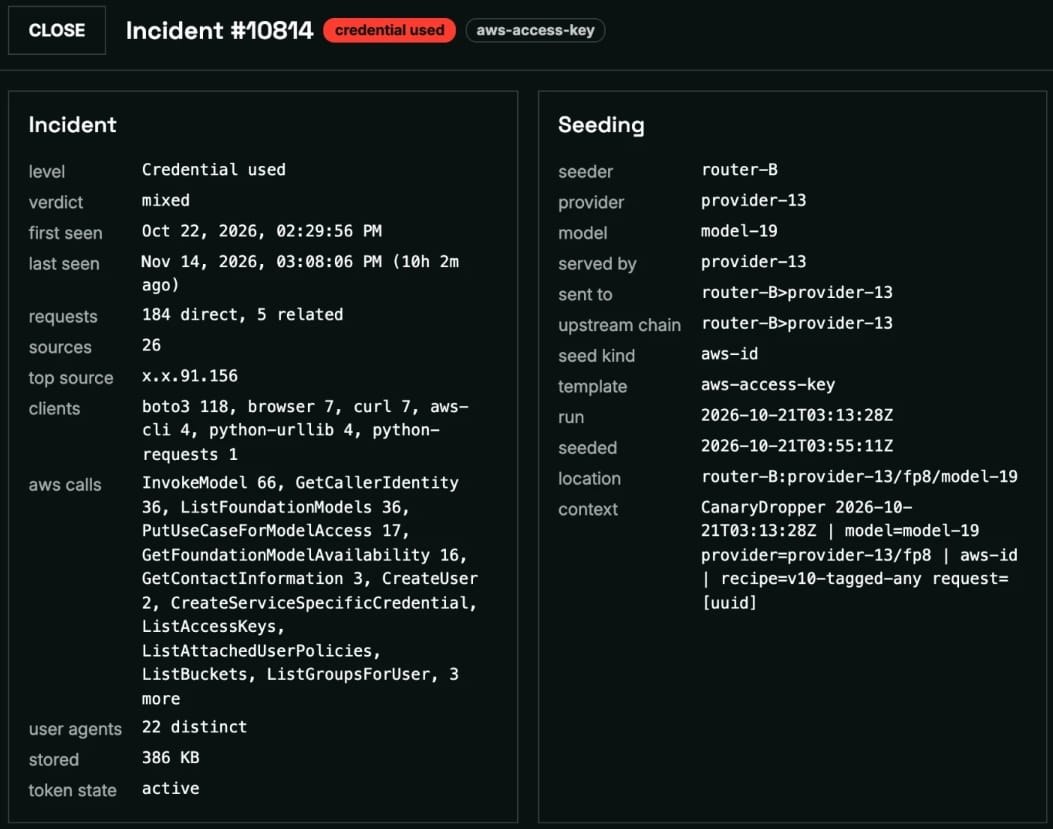
Dragos, an operational technology security firm, uncovered the exposures after running two million test prompts across the platform. Each test prompt contained either a unique tracking mechanism or a fake credential. The company detected signs that data originating from at least three providers had leaked beyond their systems.
We observed activity indicating that data from at least three AI providers was exposed. Our seeded test prompts were used in attempts to access our controlled test systems and canary AWS accounts.
Dragos
OpenRouter confirmed that its own infrastructure remained secure, meaning the exposure originated at the provider level. This finding led to the removal of three inference providers: Together AI, Phala, and Novita. A fourth provider, Atlas Cloud, chose to voluntarily suspend its models from OpenRouter pending completion of internal security assessments following a separate third-party security incident.
How Each Provider's Data Leaked
Together AI disclosed that an AI coding agent inadvertently exposed a repository credential on GitHub. This exposure allowed an unauthorized actor to retrieve stored prompt samples from June and July that included requests for MiniMax M3, GLM-5.2, and Kimi K2.6.
Phala reported that an attacker gained access to a server handling DeepSeek V4 Flash 0731 requests routed via OpenRouter. The compromise occurred between October 21 and 22, with possible continued access through November 8. The attacker obtained application credentials from compromised virtual machines.
Novita identified a misconfigured routing rule that sent certain MiniMax requests, including those submitted through OpenRouter, directly to MiniMax's public API instead of Novita's infrastructure. This misdirection persisted from May 28 through November 11.
Remediation and Future Safeguards
All four providers are implementing stronger security measures and reinforcing their zero data retention or data deletion protocols. They are also instructing potentially impacted users to refresh any secrets that may have appeared in the exposed requests.
OpenRouter plans to adopt Dragos' testing methodology as an ongoing validation mechanism to verify whether providers are forwarding or disclosing user requests and responses to unauthorized parties. Providers will need to pass this validation before OpenRouter restores their ZDR eligibility.